
2 pokojowe mieszkanie warszawa wynajem: Rents, Districts and Real Returns
Searching for a 2 pokojowe mieszkanie warszawa wynajem places you in the fastest-moving segment of Poland’s capital, where two-room flats of 38–48 m² let within days rather than weeks. A 2 pokojowe mieszkanie warszawa wynajem listing typically covers a separate bedroom, a living room with an open or closed kitchen, one bathroom and a balcony, and it attracts a broad tenant pool: single professionals, couples, and corporate relocations funded by employers. For a UK landlord used to £1,400 monthly rents in Manchester or Leeds, Warsaw offers gross yields that still clear 5.5–6.5% on well-chosen stock, with tenant demand underpinned by roughly 100,000 students and a large multinational services sector. This guide breaks down realistic rents, service charges, district-level differences, purchase routes into the Polish market, and the paperwork you should expect before signing anything.
What a Two-Room Warsaw Flat Actually Includes
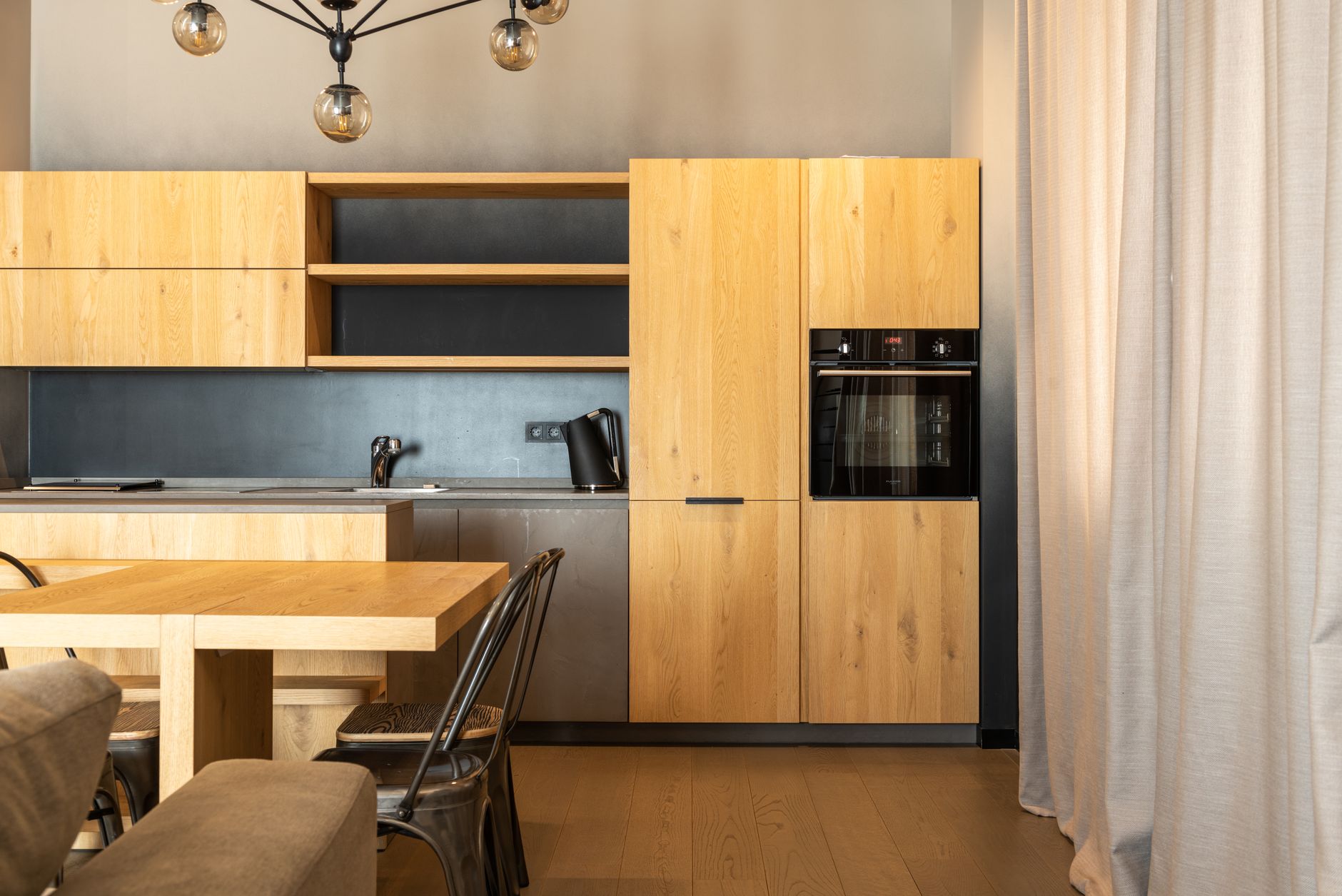
Polish listings count rooms, not bedrooms. A two-room flat means one bedroom plus one living room, so the closest British label is a one-bedroom apartment. Floor areas cluster between 36 and 50 m², and the kitchen is either an annexe opening onto the living room or a separate galley closed behind a door.
Build era changes everything. Blocks from the 1970s offer 44 m² layouts with generous built-in storage and low purchase prices, while newer developments deliver lifts, underground parking and far better insulation at a 25–35% premium. Tenants paying the top of the range consistently favour recent stock with a balcony and a dedicated basement cage.
Furnishing is expected rather than optional. Unlike an unfurnished English assured shorthold tenancy, a Warsaw two-room flat is normally let complete with wardrobes, a sofa, a fitted kitchen, a washing machine and a fridge. Budget £2,500–£4,000 to equip a unit; IKEA and Agata Meble packages dominate the mid-market fit-out.
Advertised Area and the Square Metre Trap
Advertised area sometimes folds in a loggia or a share of the basement, inflating the headline figure by two or three square metres. Always request the notarial deed area and the housing cooperative certificate. A flat marketed at 45 m² that measures 42 m² of usable space quietly changes both your rent per square metre and your eventual resale price.
Rents, Service Charges and Realistic Yields
Expect £600–£780 per month for a standard two-room flat in the outer districts, £780–£950 in Mokotów or Wola, and £950–£1,300 for a serviced-standard unit in Śródmieście. Rents are quoted net of czynsz, the monthly building charge, which the tenant almost always pays separately on top of the headline figure.
That building charge runs £90–£160 per month for a 45 m² flat and covers cold water, refuse collection, lift maintenance, cleaning and a sinking fund for renovations. Electricity, gas and fibre internet add another £60–£110. A landlord who quotes one gross number without splitting these line items loses credibility at the viewing stage.
Yield maths stays simple once the charges are stripped out. Take twelve months of net rent, subtract two months of vacancy and management, then divide by the purchase price plus the 2% transfer tax and notary fees. The table below shows how the picture shifts across the city.
| District | Typical size | Monthly rent (GBP) | Purchase price (GBP) | Gross yield |
|---|---|---|---|---|
| Śródmieście | 42 m² | £1,050 | £205,000 | 6.1% |
| Mokotów | 45 m² | £880 | £170,000 | 6.2% |
| Wola | 44 m² | £860 | £168,000 | 6.1% |
| Praga-Południe | 46 m² | £760 | £140,000 | 6.5% |
| Ursynów | 48 m² | £790 | £152,000 | 6.2% |
| Białołęka | 47 m² | £680 | £124,000 | 6.6% |
Choosing the Right District for a Two-Room Let
Warsaw rewards proximity to the metro far more than proximity to the Old Town. A flat eight minutes’ walk from an M1 or M2 station rents for 10–15% more than an identical unit twenty minutes away, and it re-lets faster after a tenant leaves. Bus-only locations sit empty for weeks in winter.
Employment clusters matter next. Wola absorbed most of the new office towers, Mokotów holds the older business parks along Domaniewska, and Ursynów feeds the southern campuses. Matching your flat to a commuter corridor rather than a postcode reputation produces steadier occupancy and fewer void months across a full calendar year.
Student demand runs on a different clock. Ochota and Śródmieście fill in late September and empty in June, which suits landlords willing to accept ten-month cycles at higher monthly rates. Corporate tenants in Wola sign twelve or twenty-four month agreements and rarely negotiate hard on price.
- Śródmieście – highest rents, highest entry price, strongest expat demand
- Wola – office-driven, modern stock, reliable corporate tenants
- Mokotów – broad tenant mix, deep resale market, mature infrastructure
- Praga-Południe – best yield-to-risk balance, improving transport links
- Białołęka – cheapest entry, longest commute, family tenants
Transport Access Beats Postcode Prestige
Run a simple test before offering on anything: measure the walk to the nearest metro or tram interchange and the total door-to-door time to Rondo Daszyńskiego. If that journey exceeds thirty-five minutes, discount your rent expectation by roughly 12% regardless of how attractive the building or the finish level appears in photographs.
From Renting to Owning: Sourcing Stock Across Poland
Landlords who monitor distressed listings gain a measurable edge. Polish sellers flag urgency directly in the advert title — a pilnie sprzedam mieszkanie warszawa post often signals divorce, inheritance or a chain that must close within weeks, and discounts of 6–12% below comparable asking prices are achievable with cash.
The same pattern repeats nationally. A mieszkanie gdańsk sprzedam pilnie advert near the Tricity seafront competes with tourist rental demand, while pilnie sprzedam mieszkanie kraków listings around Kazimierz carry a persistent student premium. Compare rent-to-price ratios city by city before assuming the capital automatically wins on yield.
Secondary-market stock behaves differently from new builds. A pilnie sprzedam mieszkanie kraków rynek wtórny unit avoids the twelve to eighteen month completion wait but usually needs £8,000–£15,000 of refurbishment. Smaller cities widen the spread further: pilnie sprzedam mieszkanie bydgoszcz and pilnie sprzedam mieszkanie poznań adverts commonly price 30–45% below Warsaw per square metre.
Coastal markets deserve separate modelling. A pilnie sprzedam mieszkanie gdynia flat can earn double the nightly rate in July and sit empty through February, so annualised returns depend on honest occupancy assumptions rather than headline summer figures. Long-let two-room units in Warsaw remain the steadier cashflow choice for hands-off owners.
The Bungalow Alternative: Building Instead of Renting
Some buyers skip flats altogether. A dom parterowy projekt — a single-storey house design bought off the shelf from a Polish architectural catalogue — costs £400–£900 for the drawings and arrives with structural calculations, making it the cheapest legitimate route into a building permit application.
Sizing drives the budget more than specification does. A dom parterowy 70m2 shell-and-core build lands around £70,000–£95,000 excluding land, while a dom parterowy 100 m2 scheme with a garage and an air-source heat pump typically reaches £130,000–£165,000. Both undercut a comparable new-build flat in central Warsaw per square metre.
Paperwork comes first. Plots outside a local zoning plan require a planning decision, and the wniosek o warunki zabudowy pdf form downloaded from the commune website starts that process; approval commonly takes two to five months. A dom jednorodzinny parterowy on a serviced plot within commuting distance suits families priced out of central rents entirely.
How Much Should I Budget Monthly for a 2 pokojowe mieszkanie warszawa wynajem?
Plan on a total monthly outgoing of £780–£1,100 for a comfortable two-room flat in a well-connected district. That figure breaks down into roughly £680–£880 of base rent, £90–£160 of building charge covering water, refuse and lift maintenance, and £60–£110 for electricity, gas and internet. Landlords normally request a deposit equal to one or two months’ rent, held for the duration and returned after an inventory check. Agency fees, where an agent is involved, run to one month’s rent plus VAT and are paid by the tenant. Budgeting an extra 10% above the advertised rent keeps you clear of surprises in the first quarter of the tenancy.
Is Renting a Two-Room Warsaw Flat Cheaper Than Buying One?
Over a horizon under five years, renting usually wins. Purchase costs stack up quickly: 2% civil transaction tax on secondary-market flats, notary fees of £700–£1,300, land registry entries, and refurbishment that rarely finishes under £8,000 on older stock. Against that, monthly mortgage instalments on a £150,000 purchase often exceed the equivalent rent once interest and the building charge are combined. Beyond five to seven years, ownership generally overtakes renting because capital repayment builds equity and rents drift upward with wages. The decision hinges less on arithmetic than on how long you intend to stay in the city and whether you need the flexibility to leave at three months’ notice.
What Documents Should I Check Before Signing a Warsaw Tenancy Agreement?
Ask for four things before any money changes hands. First, the land and mortgage register extract, which confirms the landlord actually owns the flat and shows any charges against it. Second, a recent building charge statement proving no arrears sit with the cooperative or community. Third, the meter readings for electricity, gas and water, recorded and signed on the handover protocol alongside a photographic inventory. Fourth, the written agreement itself, specifying rent, charges, deposit, notice period and who pays for repairs under a stated value threshold. Occasional-lease agreements require a notarised submission-to-enforcement statement from the tenant, so read that clause carefully before committing.