
Ile potrzebuję wkładu własnego? A Practical UK Deposit Guide
Ile potrzebuję wkładu własnego is the first question almost every buyer asks before speaking to a broker, and the honest answer is a range rather than a single figure. For a standard residential mortgage, lenders want between 5% and 25% of the purchase price, so ile potrzebuję wkładu własnego translates into anything from roughly £12,500 on a £250,000 flat to £62,500 on the same property at a 75% loan-to-value tier. The gap matters because deposit size drives your interest rate, your monthly payment and whether a lender will consider the case at all. Plot purchases and self-build projects sit on a separate scale again, often demanding 25% to 40% of land value up front. This guide breaks the numbers down by scenario, shows the extra costs sitting alongside the deposit, and explains how construction changes the arithmetic.
Ile potrzebuję wkładu własnego for a standard house purchase
Lenders express deposits as a share of purchase price, and the practical floor in the UK sits at 5% for mainstream residential cases. On a £280,000 house that is £14,000, while a 10% deposit doubles it to £28,000. Credit history, income multiples and property type all push that floor upward.
The second driver is loan-to-value banding. Rates step down at 90%, 85%, 80% and 75% LTV, so an extra £5,000 saved can move you into a cheaper band and cut monthly payments by £40 to £70 on a typical twenty-five-year repayment term.
Flats above commercial units, ex-local-authority blocks, timber-frame builds and homes of unusual construction carry stricter limits. Many lenders cap these at 75% or 80% LTV regardless of income, which quietly turns a 10% plan into a 20% or 25% requirement overnight.
Deposit versus the total cash you must show
The deposit is only part of the money leaving your account. Stamp duty, solicitor fees of roughly £1,200 to £2,000, searches, a survey at £400 to £900 and removals all land in the same month, so budget several thousand pounds beyond the headline figure.
Lenders also want evidence of provenance. Six months of statements, a gifted deposit letter from family, or proof of sale from a previous property are standard requests. Money appearing suddenly without a paper trail can delay or sink an otherwise strong application.
Deposit tiers, rates and real GBP figures
Comparing tiers side by side makes the trade-off obvious. The table below uses a £250,000 property and shows how the cash requirement scales, together with the kind of pricing and flexibility each band usually unlocks across high-street and specialist lenders.
| Deposit | Cash on £250,000 | LTV band | Best suited to |
|---|---|---|---|
| 5% | £12,500 | 95% | First-time buyers with strong income |
| 10% | £25,000 | 90% | Most movers and new-build houses |
| 15% | £37,500 | 85% | Apartments and new-build flats |
| 25% | £62,500 | 75% | Buy-to-let and the best rate tiers |
| 40% | £100,000 | 60% | Plot purchase and self-build finance |
Moving from 5% to 10% is the single most valuable jump for most buyers, because it removes the highest-risk pricing band. The step from 15% to 25% delivers smaller rate gains, so savings beyond 20% often work harder as a renovation or contingency fund.
Shared ownership and equity-loan schemes reduce the deposit to as little as 5% of a 25% share, which can mean under £4,000 on a £300,000 home. Rent on the retained share and service charges offset part of that saving, so compare total monthly outgoings.
Self-build plots and single-storey projects change the maths
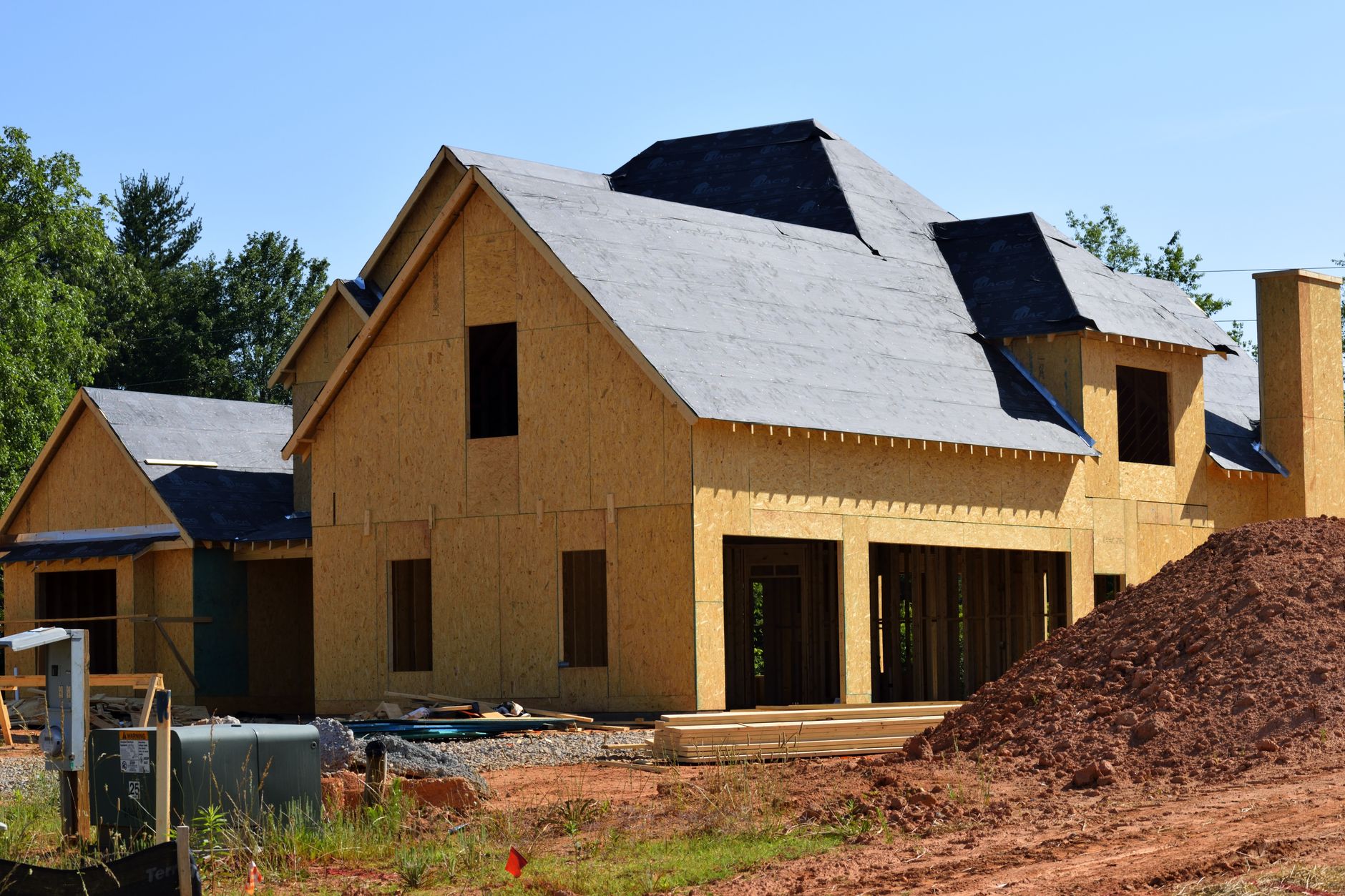
Buying land works differently. Plot finance rarely exceeds 75% of value and frequently sits at 60%, so a £120,000 plot needs £30,000 to £48,000 in cash. Buyers browsing projekty domów parterowych should price the land and the build as two separate funding problems.
Self-build mortgages release money in stages against certified progress. A projekt domu parterowego with a 120 m² footprint might cost £160,000 to £220,000 to construct at UK rates, and the first stage payment usually arrives only after foundations, so early cash reserves are essential.
A single-storey layout has cost advantages: no stairs, simpler scaffolding and easier accessibility. A dom parterowy carries a larger roof and slab relative to floor area, which raises material spend, while a nowoczesny dom parterowy with wide glazing adds another £8,000 to £20,000.
Paperwork that decides how much a lender will release
Valuers price land on what can legally be built. Where planning consent equivalent to pozwolenie na budowe is already in place, plot value can rise by 30% or more, cutting the proportion of your own money required for the same headline borrowing.
Preparing a wniosek o warunki zabudowy early pays off, and reviewing a wniosek o warunki zabudowy wzór before submission avoids missed drawings. A well-documented warunki zabudowy wniosek, paired with a projekt domu parterowego z garażem, gives surveyors the detail they need to value confidently.
How valuation and equity shift the deposit you need
Lenders lend against the lower of price or valuation. If a £250,000 offer is valued at £240,000, a 90% mortgage funds £216,000 and your cash contribution jumps from £25,000 to £34,000. A careful wycena nieruchomosci before offering prevents that surprise.
Existing owners sit in a stronger position. Equity built through repayment and price growth counts as deposit on the next purchase, and porting an existing rate can preserve favourable terms while releasing part of that equity for a build project or extension.
Downvaluations are also negotiable. Roughly one in five challenged valuations is revised when comparable sales evidence is supplied, and vendors frequently accept a reduced price rather than restart marketing, so treat a low figure as an opening position rather than a verdict.
Practical ways to close the deposit gap
Lifetime ISAs add a 25% government bonus on up to £4,000 a year, worth £1,000 annually per saver. Two buyers using the allowance for three years contribute £24,000 and receive £6,000 free, which alone lifts a 5% deposit toward the cheaper 10% band.
Gifted deposits remain common and are accepted by most lenders with a signed declaration confirming no repayment or ownership claim. Joint borrower sole proprietor arrangements let parents support affordability without appearing on the title, which avoids the additional stamp duty surcharge.
Specification choices free up cash too. A single okno dachowe velux costs roughly £350 to £900 installed, and researching panele fotowoltaiczne cena shows a 4 kW array at £5,000 to £8,000, so staging these upgrades after completion keeps more money in the deposit.
How much deposit do I need if I am buying and extending at the same time?
Plan for two separate pots. The purchase deposit follows normal rules, so 10% on a £250,000 home is £25,000, but extension work is rarely funded by the same mortgage advance at completion. A modest single-storey rear extension costs £1,800 to £2,600 per square metre across most of the UK, meaning £45,000 to £65,000 for 25 m². Lenders will usually consider a further advance once you have owned the property for six months, so many buyers deliberately keep a 10% deposit rather than stretching to 15%, and hold the difference as build capital plus a 15% contingency.
Is a 5% deposit enough when ile potrzebuję wkładu własnego applies to a new build?
Often not, because new-build property carries stricter caps. Lenders frequently limit new-build houses to 90% and apartments to 85% loan-to-value, so a £300,000 apartment requires £45,000 rather than £15,000. Developer incentives such as paid stamp duty or a fitted kitchen are usually deducted from the valuation, reducing the amount borrowed further. Offers also expire; most mortgage offers last six months, and plots completing later may need reassessment at prevailing rates. Reserve fees of £500 to £2,000 are payable up front and sit outside the deposit, so confirm the full payment schedule before exchanging contracts.
What happens to my deposit if the valuation comes in low?
Your lender reduces the advance, and the shortfall becomes yours to solve. On a £280,000 agreed price valued at £265,000, a 90% loan drops from £252,000 to £238,500, leaving £41,500 of your own money instead of £28,000. Four routes exist: renegotiate the price using comparable sales, appeal the valuation through your broker with hard evidence, add cash from savings or a family gift, or move to a lender using a different surveying panel. Withdrawing costs only the survey and legal fees incurred so far, since deposits are paid at exchange, not at offer.