
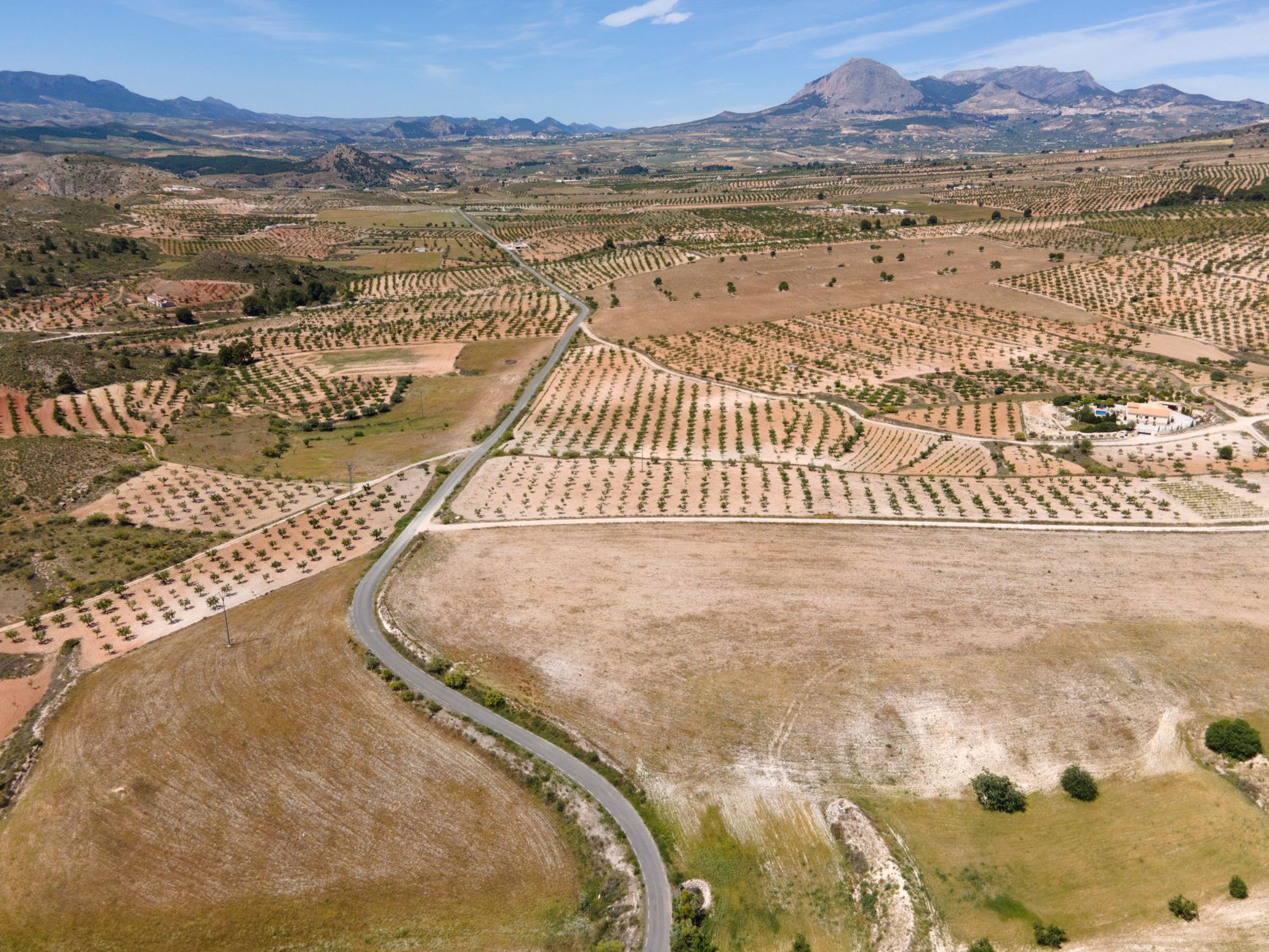
Jak Odrolnić Działkę Krok Po Kroku: A Practical Guide to Reclassifying Farmland
Anyone who has stood at the edge of a cheap field with a house design in their pocket eventually asks the same thing: jak odrolnić działkę krok po kroku, and how much of the budget disappears before the first foundation is poured? The honest answer is that jak odrolnić działkę krok po kroku is a sequencing problem rather than a paperwork problem. Buyers who lose money rarely lose it on the administrative fee itself; they lose it by signing a purchase contract, transferring a deposit of £15,000 or more, and only afterwards discovering that the parcel sits in a soil class that triggers an extra layer of consent. This guide walks through the order of operations, the realistic cost brackets, the financing constraints that lenders apply to undeveloped land, and the contract clauses that protect a buyer when an authority takes eleven months instead of four.
What Reclassification Actually Means Before You Buy
Reclassification is an administrative change to how a parcel is designated in planning and cadastral records, not a physical change to the soil. A plot recorded as arable remains arable until the authority alters that status, and mortgage lenders treat the recorded designation as a hard boundary when they value the security sitting behind a loan.
Two documents decide almost everything. The local development plan states what may be built on a given parcel; where no plan exists, an individual planning decision fills the gap. Request both before you view a field a second time, because a refusal recorded three or four years earlier will resurface during valuation and quietly kill the deal.
Soil class matters more than most buyers expect. Higher-quality classes carry stronger statutory protection and require a separate ministerial-level consent, which routinely adds four to eight months. Lower classes, or parcels already enclosed within a settlement boundary, often pass through the same process with a fraction of the correspondence and a much smaller fee.
Reading the Register Before You Commit
The land register is the cheapest due diligence available anywhere in the transaction. Guides on jak sprawdzić księgę wieczystą online exist for a reason: ten minutes on the portal reveals easements, existing charges, co-ownership fractions and enforcement entries that a seller might prefer to raise much later. Print the entry, date it, and file it with your offer.
The Step-by-Step Route From Farmland to Building Plot
Step one is confirming which track applies. If a local development plan already covers the parcel and permits residential use, the agricultural designation may already be resolved at the planning level, and your remaining task is the cadastral exclusion from production. If no plan exists, you begin with an application for a planning decision instead.
Step two is the exclusion application itself, submitted to the district authority with the register extract, a cadastral map, a project outline showing the built footprint in square metres, and evidence of your legal interest in the land. Incomplete submissions are the single most common cause of a three-month delay.
Step three is the decision, which sets out the one-off charge and any annual payments tied to the excluded area. Only the footprint you actually build on is charged, so a 180 m² house plus driveway on a 1,200 m² parcel is assessed on the smaller figure, not the whole plot. Precision in the drawings pays.
Step four is updating the cadastral records so the new designation appears in the register. Skipping this closing step is a classic error: the decision alone does not always satisfy a lender’s surveyor, and a valuation returned as agricultural land can reduce an offer by 30% or more overnight.
Costs, Fees and the Money That Leaves Early
Budgeting for this process means separating three pools of money: administrative charges tied to reclassification, transaction costs tied to the purchase, and financing costs tied to the loan. Buyers who model only the first pool are the ones who run short at completion, typically by five figures.
Transaction costs deserve particular attention because they are payable in cash and cannot normally be borrowed. Anyone researching jakie opłaty notarialne przy zakupie mieszkania will recognise the structure: a scaled deed fee, court registration charges, copies of the deed, and transfer tax calculated on the declared price of the property.
| Cost item | Typical bracket (GBP equivalent) | When payable |
|---|---|---|
| Planning decision application | £20 – £150 | Before purchase |
| Exclusion from agricultural production | £1,200 – £20,000+ | After decision issued |
| Annual charge on excluded area | 10% of one-off charge, up to 10 years | Yearly |
| Notarial deed and registration | £600 – £2,500 | At completion |
| Surveyor and cadastral update | £300 – £900 | Post-completion |
The third pool is repayment strategy. Buyers who plan to clear the balance early should confirm the exit terms in writing, since ile kosztuje wcześniejsza spłata kredytu varies enormously between products, and an early repayment charge of 2% on a £250,000 balance is £5,000 that a comparison table will not show you.
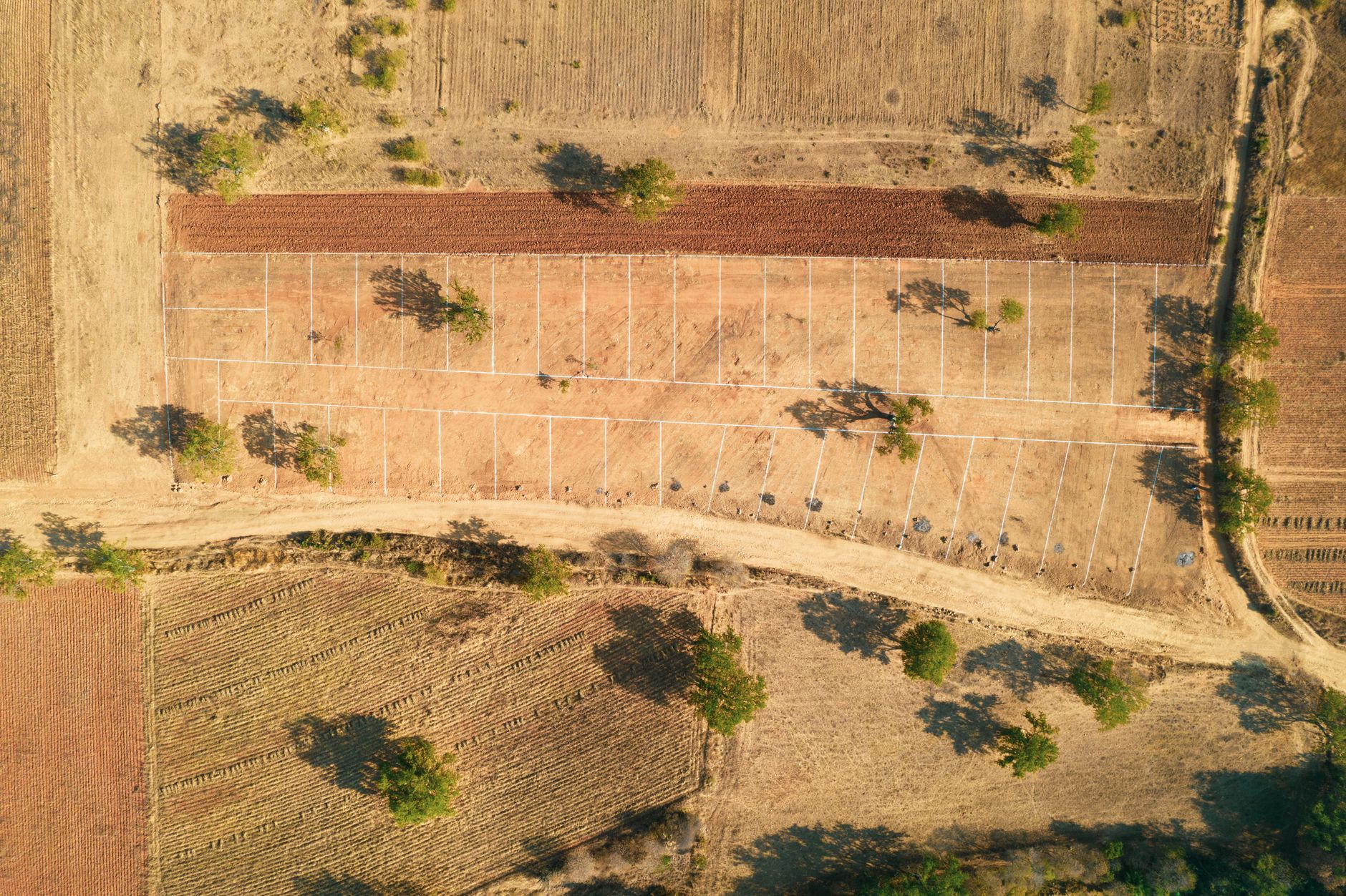
Funding a Plot Purchase When the Land Is Not Yet Reclassified
Lenders price undeveloped land conservatively. A parcel still recorded as agricultural is treated as weaker security, so deposit requirements climb sharply, sometimes to 30% or 40% of the purchase price. Understanding wkład własny do kredytu hipotecznego for this asset class before you make an offer prevents a very awkward conversation later.
Affordability is assessed on stressed rates, not headline rates. Working through zdolność kredytowa jak obliczyć in advance means listing net income, existing commitments, card limits, dependants and any car finance, then applying a rate two or three percentage points above the current offer to see what genuinely survives the lender’s model.
Product selection follows. Anyone weighing jak wybrać najlepszy kredyt hipoteczny should compare total cost across the expected holding period rather than the introductory rate: arrangement fees, mandatory insurance, valuation charges and the cost of switching all belong in the same spreadsheet. A rate 0.2% lower with a £1,800 fee often loses over five years.
Fixed or Floating: Structuring the Loan
The debate around kredyt hipoteczny stała czy zmienna stopa comes down to how much payment volatility a household can absorb during a build. Fixed periods buy certainty while construction costs are unpredictable. Borrowers asking co to jest WIRON w kredycie are really asking which benchmark drives their floating rate and how quickly it resets.
Overpayment flexibility is the underrated variable. Practical advice on jak nadpłacać kredyt hipoteczny is simple: direct overpayments at capital reduction rather than term reduction if cash flow is uncertain, confirm the annual penalty-free allowance, and make payments early in the interest period so the saving compounds across the remaining term.
Contracts, Timelines and Mistakes That Cost Months
The contract is where reclassification risk is allocated. A preliminary agreement should make completion conditional on a positive decision, with a longstop date and a full deposit refund if the authority refuses. Templates circulated as umowa przedwstępna sprzedaży mieszkania wzór give the skeleton, but the conditional clause has to be drafted for land.
Timing mismatches cause the second most common failure. A mortgage offer valid for six months sitting alongside an administrative process that may run nine months produces an expired offer and a repeated application. Ask early how long the decision takes, and set the contract’s longstop date well beyond the pessimistic estimate rather than the optimistic one.
The final mistake is treating jak odrolnić działkę krok po kroku as a task for after completion. Sellers occasionally agree to run the application themselves, at the buyer’s cost, before the deed is signed. That structure keeps the risk with the party who holds title and removes the worst outcome: owning a field you cannot legally build on.
How Long Does the Whole Reclassification Process Usually Take?
A straightforward case, with a local development plan already permitting residential use and a lower soil class, can conclude in eight to fourteen weeks from a complete application. Parcels in protected classes requiring higher-level consent commonly run six to twelve months, and appeals extend that further. The variables that matter most are the completeness of the initial submission, the workload of the specific district office, and whether a planning decision must be obtained first. Run the financing timetable in parallel rather than in sequence: check jak długo trwa decyzja kredytowa with your lender, since a formal offer typically arrives within two to four weeks and then begins expiring while the land process continues.
Is It Financially Sensible to Buy Farmland Before Reclassification?
It can be, provided the discount genuinely compensates for the risk. Agricultural parcels often trade 40% to 60% below comparable building plots, which leaves meaningful room even after exclusion charges, surveyor fees and a longer holding period. The calculation turns negative in three situations: when the local plan explicitly excludes residential use, when the soil class triggers ministerial consent with no precedent of approval nearby, and when the buyer needs to build within twelve months. Model the pessimistic case with the full charge, two years of carrying costs and a 35% deposit. If the numbers still work, the discount is real; if they only work optimistically, walk away.
What Paperwork Should I Prepare Before Approaching a Lender?
Assemble the land pack and the personal pack separately. The land pack contains the register extract, cadastral map, the local plan excerpt or planning decision, the exclusion decision once issued, and the surveyor’s confirmation that records were updated. The personal pack mirrors any residential application, so the standard checklist for jakie dokumenty do kredytu hipotecznego applies: identity documents, three to six months of bank statements, employment or accounts evidence covering two years, and a schedule of existing credit commitments with balances. Add the build specification and a costed schedule of works if you intend to draw funds in stages, because staged releases are assessed against that document rather than the purchase price.